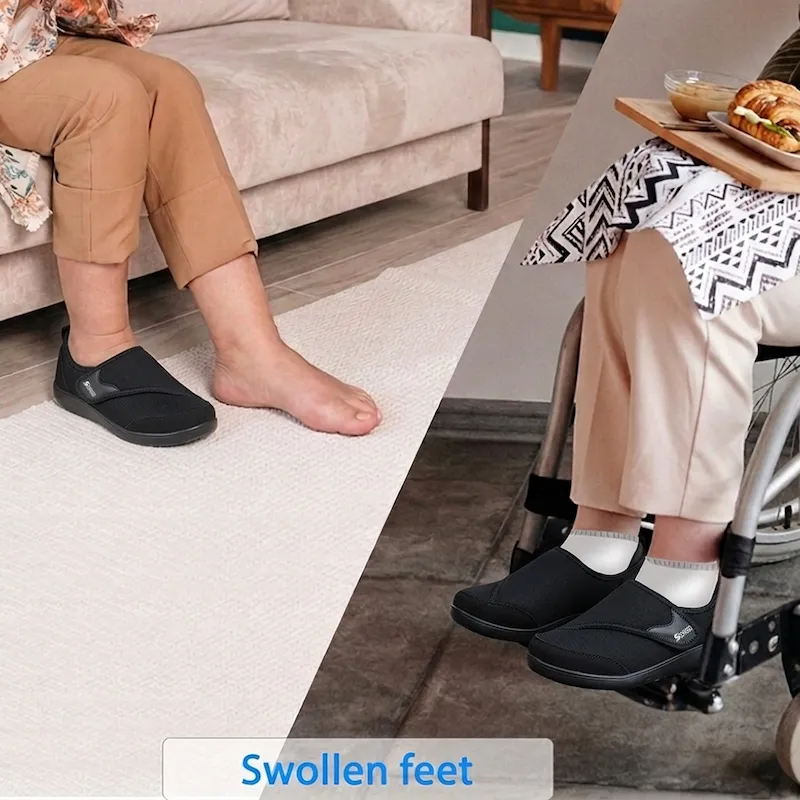
How to Choose the Right Wide Toe Box Shoes
So you've decided your feet deserve better than being crammed into narrow shoes. Good call. But here's the thing: not every shoe that says "wide" or "wide toe box" actually delivers.
Some brands add a tiny bit of width to the midfoot and call it a day. Others widen the entire shoe (including the heel) which just creates heel slip. You need a shoe shaped like a foot — wide at the toes, snug at the heel.
Here are the 5 things that actually matter.
1. Toe Box Shape — Not Just Width
A truly foot-shaped toe box is:
- Widest at the tips of the toes, not at the ball of the foot
- Rounded or squared off, not pointed
- Gives each toe individual space to spread and flex
Take the insole test: pull out the insole and stand on it. If your toes hang over the edge, it doesn't matter what the marketing says — the shoe is too narrow.
🔑 Key question: "Does this shoe follow the outline of my actual foot, or does it follow the outline of what fashion thinks a foot should look like?"
2. Heel Fit — Snug, Not Tight
A wide toe box means nothing if your heel is swimming. A good foot-shaped shoe:
- Holds the heel securely without pinching
- Doesn't slip when you walk (heel lift = blisters)
- Has a heel counter (the stiff cup at the back) that's firm but not hard
SOOFASGO uses a padded heel collar that grips without rubbing. No break-in period needed.
3. Sole Flexibility — Bend Where Your Foot Bends
A healthy shoe sole should bend at the ball of the foot (where your toes meet the foot), not at the arch. Here's how to test:
Hold the shoe with one hand at the heel and the other at the toe. Bend it. If it folds at the arch (middle of the shoe), put it back. Your arch shouldn't be doing the work of flexing the sole.
The sole should also twist slightly — your foot rotates when you walk on uneven ground. A completely rigid sole fights your foot's natural movement.
4. Upper Material — Breathable and Forgiving
The upper (the part covering the top of your foot) matters more than you think:
- Knit/Mesh: Most forgiving. Stretches to accommodate toe movement. Best for wide feet and bunions.
- Leather: Looks great, but needs to be soft and broken in. Stiff leather defeats the purpose.
- Synthetic: Durable and water-resistant, but less breathable.
SOOFASGO uses a breathable knit upper with strategic stretch zones over the toes — giving room where you need it while keeping the midfoot secure.
5. Ground Feel vs. Cushioning — Your Preference
This is the most personal choice:
- Thin sole (3-6mm): Maximum ground feel. You feel every pebble. Great for building foot strength, not great if you walk on gravel daily.
- Medium sole (8-15mm): A balanced middle ground. Some ground feedback, some protection. Best for most people transitioning from traditional shoes.
- Thick sole (15mm+): Minimal ground feel, maximum protection. More like a traditional shoe with a wide toe box. Best for people who stand on hard surfaces all day.
There's no "right" answer here. Pick what works for your daily life.
Bonus: The Break-In Myth
Good shoes don't need to be broken in. If a shoe hurts the first time you wear it, it's the wrong shape for your foot. Shoes should be comfortable from day one — especially wide toe box shoes.
The only exception is stiff leather, which does soften with wear. But even leather shouldn't pinch.
Ready to find shoes that fit your feet instead of fighting them?